


https://cdn.prod.website-files.com/693ab6ccd3ed2777391a78f2%2F6ab7992b8e5eb4e325d2a470_dalaheader1_mp4.mp4
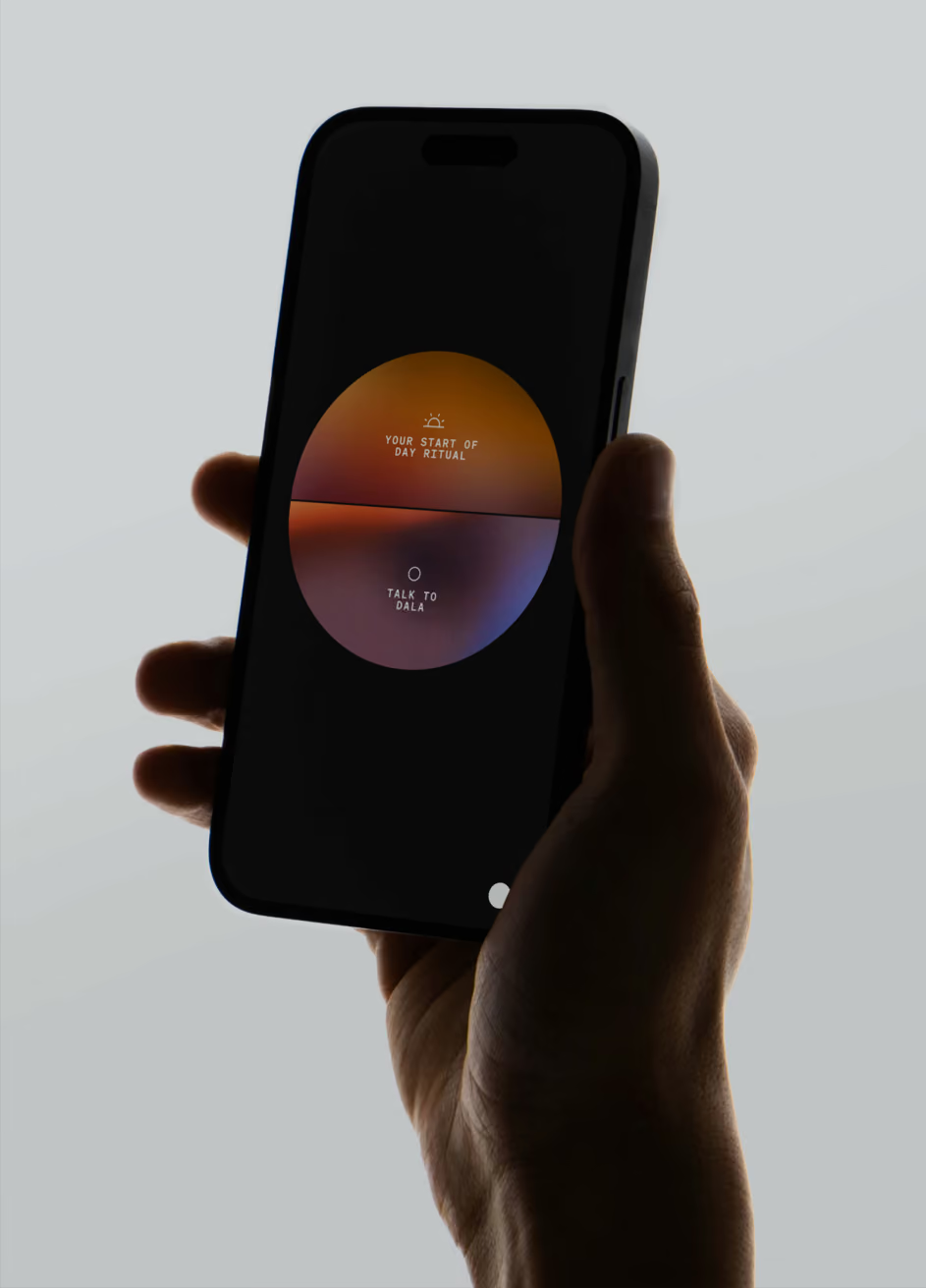
Dala had a problem. They'd built a genuinely innovative AI-powered wellbeing app and partnered with one of Australia's best design agencies Josephmark to create their beautiful and award winning visual identity and user interface. But they were missing a clear answer to the question every investor, user, and partner would ask: why should anyone choose Dala over their competitors?
Through an intensive brand workshop, we uncovered something counterintuitive. In a market obsessed with speed and quick fixes, Dala's slower, more thoughtful approach was their strength. That insight led to the development of a new category entirely: Wisdom Tech.
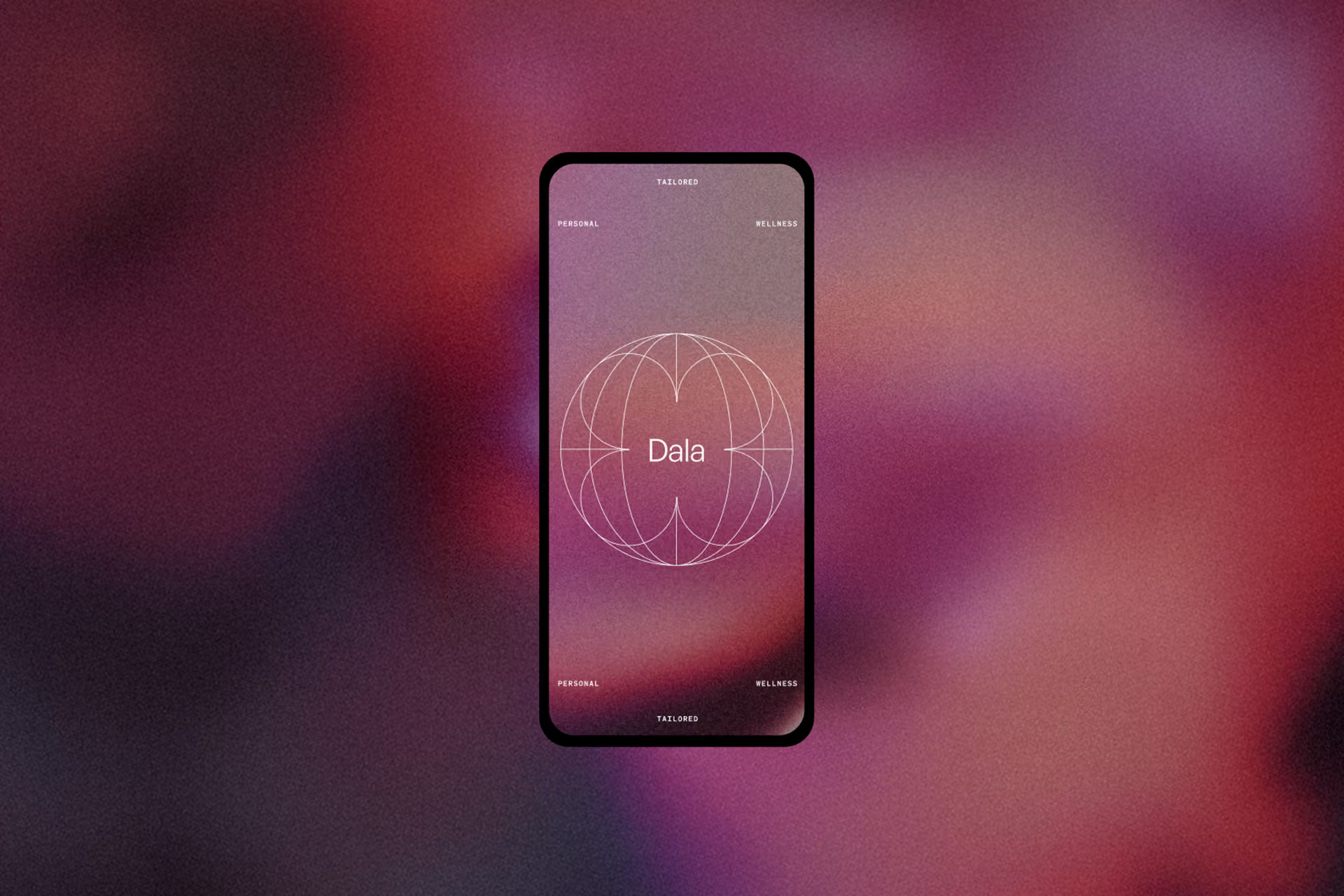
Personalisation, recommendations and artificial intelligence were useful parts of the product, but they weren’t a meaningful point of difference. Other wellbeing platforms could make similar claims. The more Dala described itself through its features, the more it sounded like the category it needed to escape.
The stronger opportunity lay in how Dala could learn over time. It could recognise patterns in an individual’s reflections, then enrich that understanding with insight into what had helped other people in similar situations. We called this collective wisdom: guidance shaped by technology, but grounded in lived human experience. Dala’s more patient approach offered a stronger basis for differentiation.
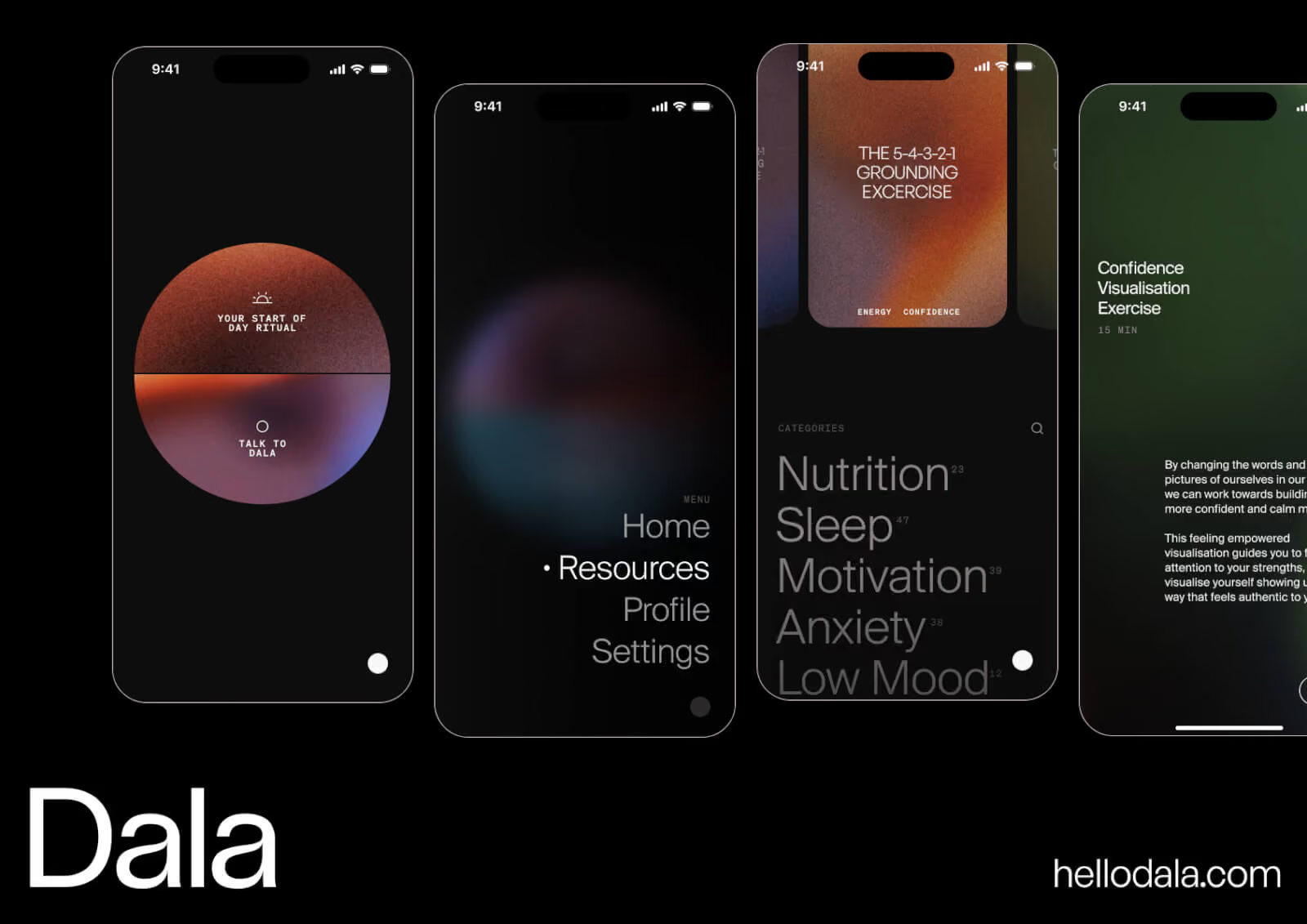
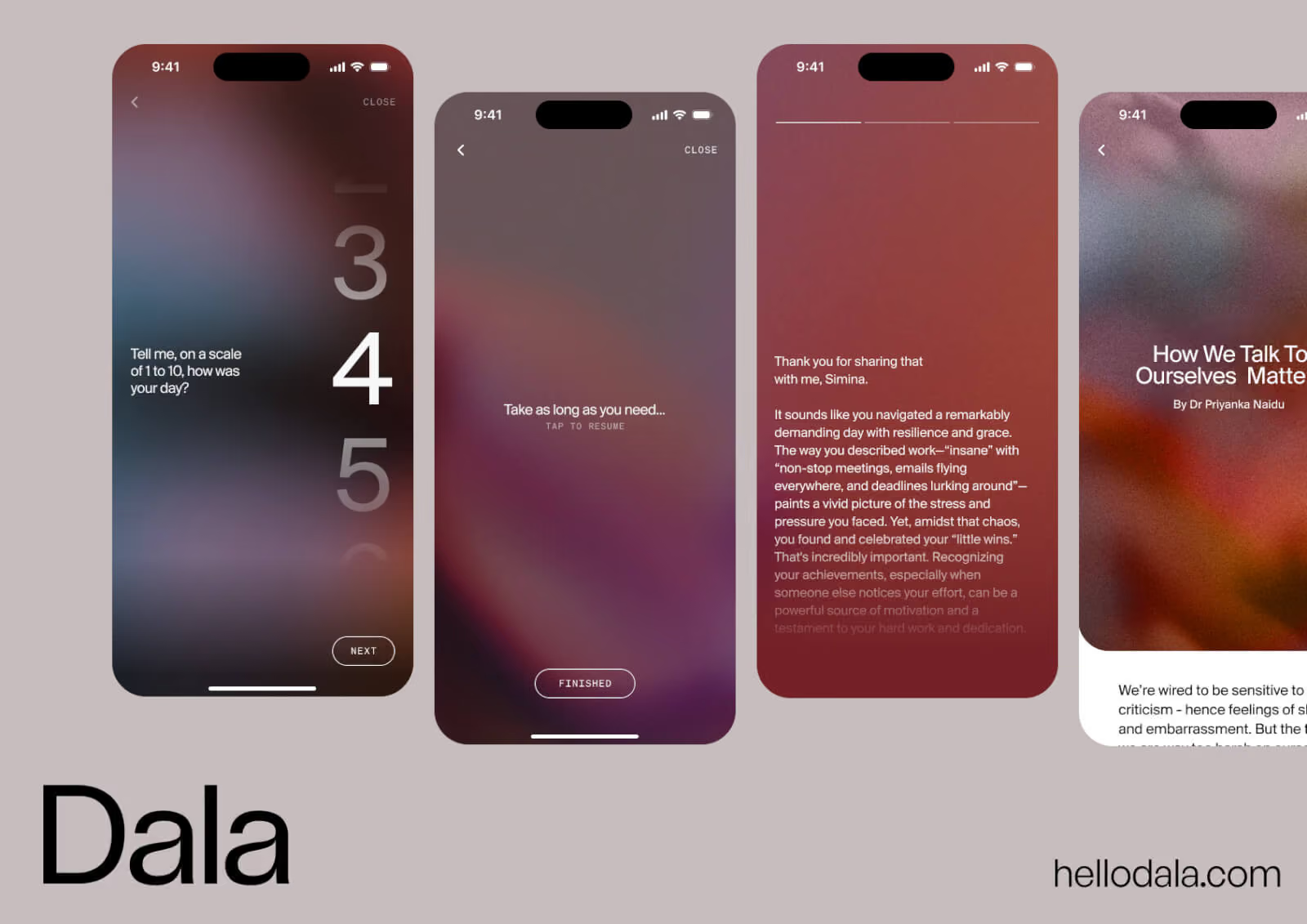
We leaned into the slower approach and asked what "slow AI" would look like: technology that asks questions instead of rushing to answer them. We stopped trying to compete in the crowded wellbeing app space and created a new category, Wisdom Tech. It describes technology grounded in collective human wisdom and experience, drawing on its users' collective experiences to help individual people understand themselves more deeply over time. We called these communities or groups Circles.
When everything speeds up, wisdom slows down.
A brand like Dala couldn't sound like every other app in the space. The voice needed to reflect the positioning: thoughtful, grounded, unhurried. We developed a tone that felt more like a wise friend than a wellness coach, and a new vision statement and tagline that captured the whole idea: "Life understood."
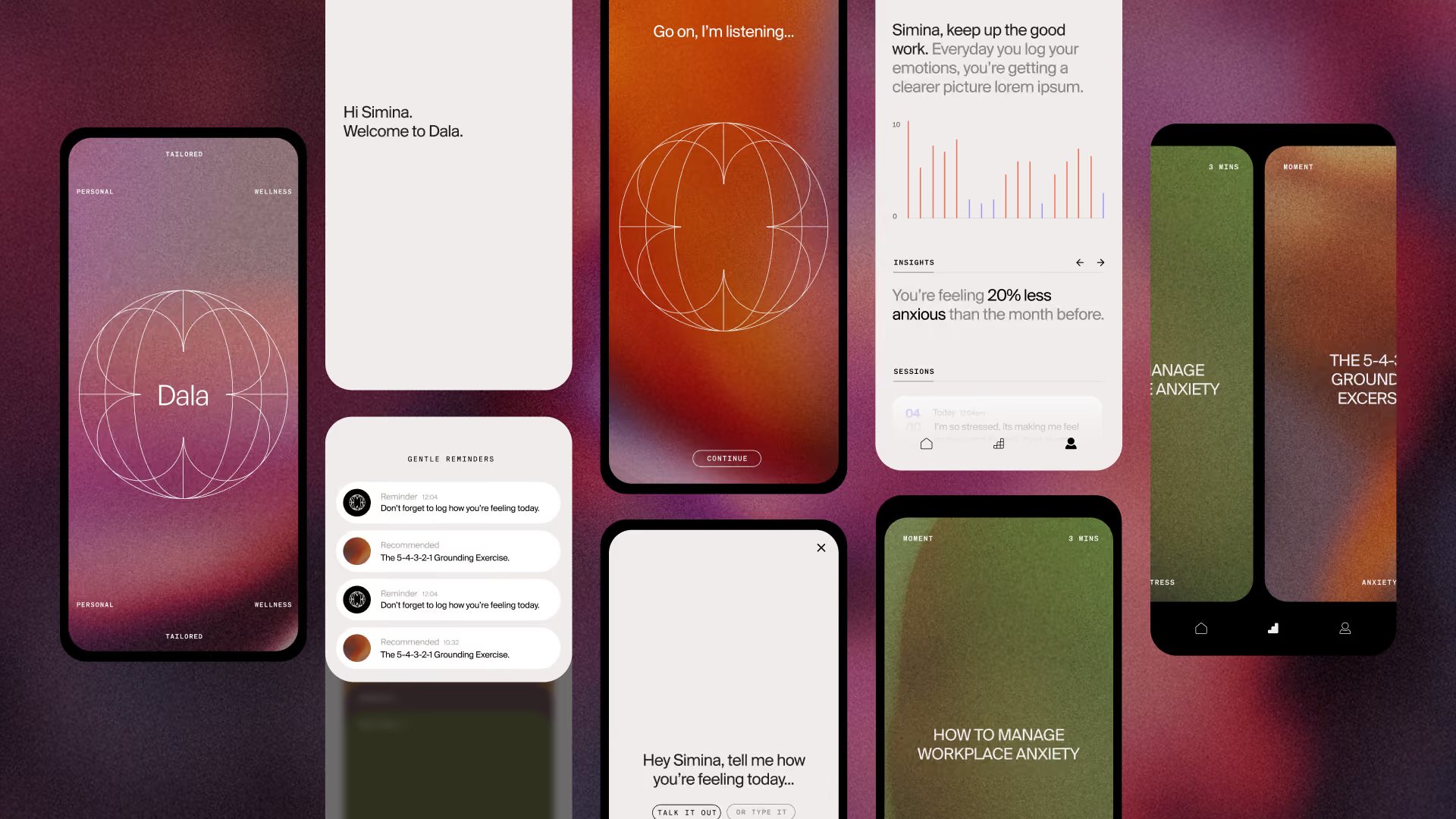
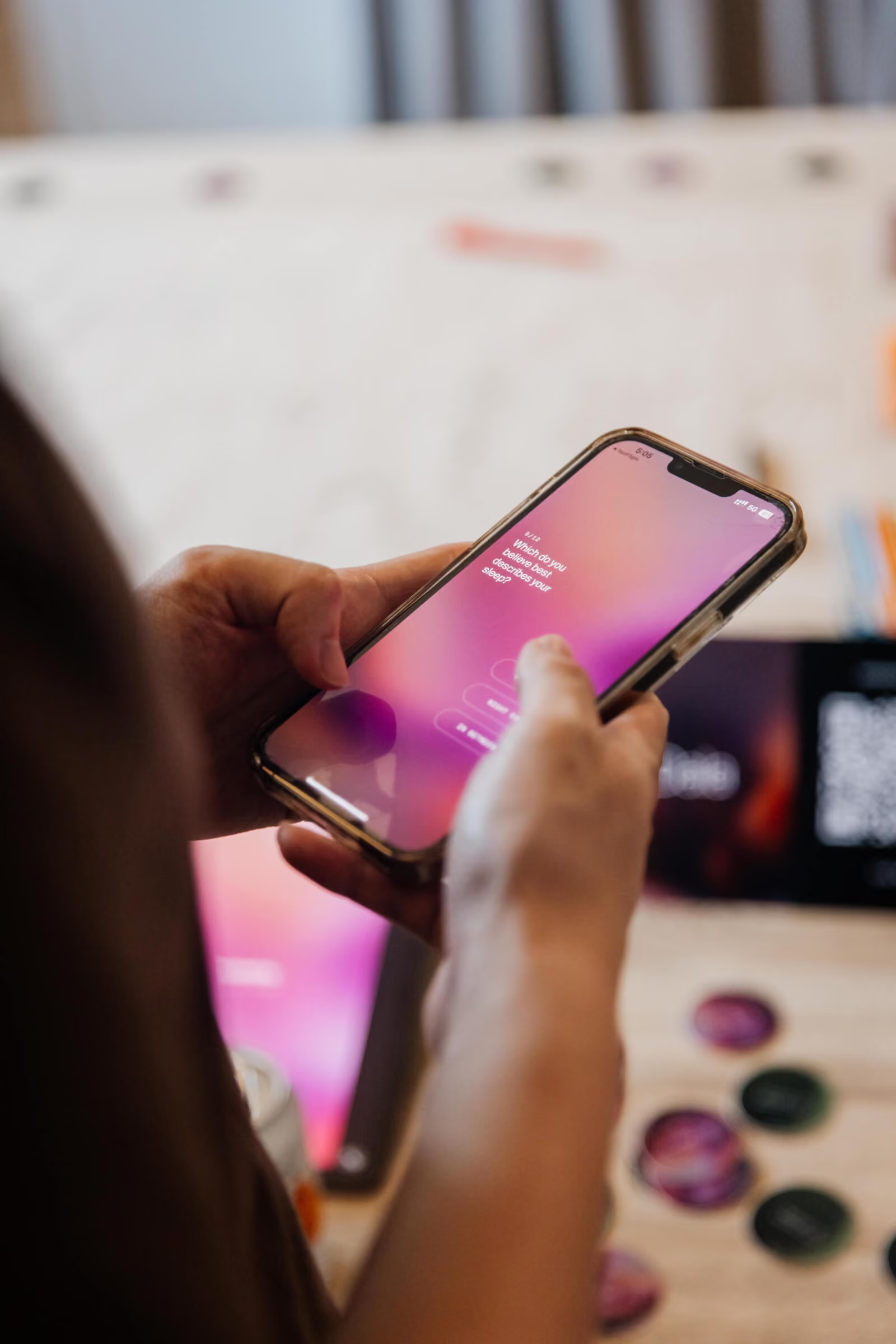
The clearest evidence of the strategy’s value appeared while it was being presented. The discussion moved beyond how to describe Dala and towards what the team might build, test and prioritise next.
The team explored whether Circles should become a more tangible expression of collective wisdom, how the idea could be prototyped before committing to full development, and how Dala’s website and communication could reflect the move from a conventional wellbeing app towards Wisdom Tech.
This showed that the strategy was already doing more than improving the language of the brand. It gave the team a way to judge product and communication decisions against the same central idea: would this help people understand themselves more deeply, draw responsibly on the lived experience of others and reward patience rather than immediacy?
Wisdom Tech gave that idea a position. Gentle wisdom gave it a voice. And “Life understood.” gave it a simple expression the brand could carry forward.
Services
Brand Strategy, Brand Positioning, Brand Messaging, Brand Voice
Industry
Health & Wellbeing, Technology
Year
2025
Website
Visit siteIn their words
“Working with Adam is a delight. His attention to detail, creative ideas, and general sense of calm is what has led us to hiring his team for projects again and again. I'd highly recommend him to anyone, regardless of the complexity of the project.”


